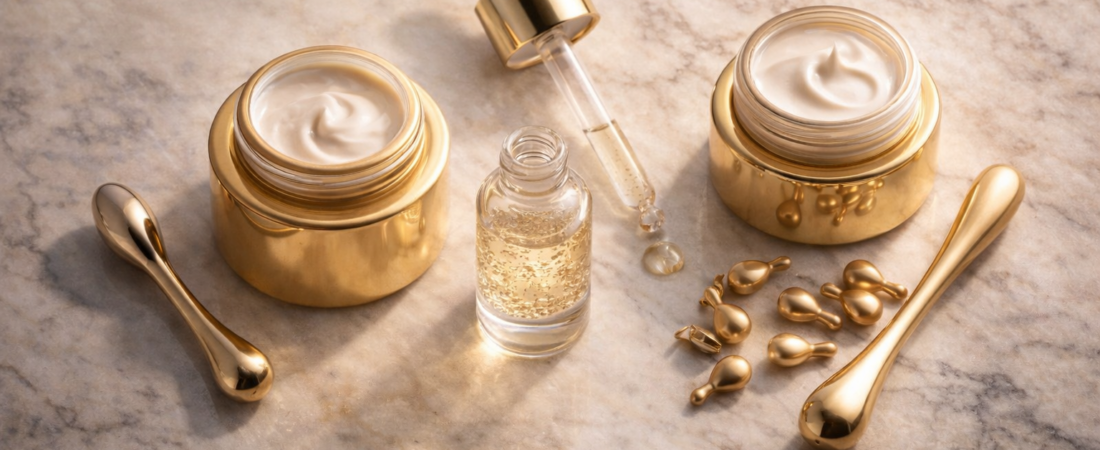
I can usually tell when someone is about to give up on eye cream. They’ve tried two or three. They’ve iced their face. They’ve slept “enough.” Yet the under-eye still looks swollen. Then the mirror does that rude thing where puffiness throws a shadow, and suddenly you look more tired than you feel.
Puffiness is frustrating because it behaves like a moving target. It can be water one day, structure the next. Also, the eye area is thin and reactive. So the wrong formula can make you itch, rub, and look even puffier.
In this guide, I’ll show you how I sort puffiness into a few common “types,” then match each type to realistic fixes. You’ll learn what matters in ingredients, texture, and application. You’ll also see a simple comparison chart and a routine you can actually stick with.
Table of contents
- A quick decision framework
- What actually causes puffiness
- Fast fixes in 5 minutes
- Ingredients that matter for puffiness
- Texture matters more than price
- How I apply eye cream to avoid rebound puff
- Comparison chart
- How I chose products
- Luxury product picks
- AM and PM routines
- Common mistakes
- FAQ
- Recap and next reads
A quick decision framework
When someone searches “best eye cream for puffiness,” they usually want a purchase that feels justified. So I don’t start with brands. I start with a short sorting step. Because once you know your “puff type,” the best product becomes obvious.
Step 1: Pick your dominant puff type
- Morning water puff: looks worse on waking, improves by midday.
- Puffy-shadow: puffiness creates a shadow that reads like darkness.
- Reactive puff: stinging, itching, or rubbing makes the area swell.
- Dry-dehydrated puff: the skin looks crepey, yet still looks swollen.
Step 2: Match the fix
- Morning water puff: cooling + caffeine + light gel-cream.
- Puffy-shadow: gentle massage + decongesting ingredients + consistent hydration.
- Reactive puff: remove triggers, simplify, and rebuild comfort first.
- Dry-dehydrated puff: barrier support with a richer cream, but applied sparingly.
Step 3: Decide your format
- Serum: best if you hate heaviness, or you layer under makeup.
- Cream: best if dryness is driving the tired look.
- Dose capsules: best if you want freshness and controlled amount.
What actually causes puffy under-eyes
Puffiness is not one thing. That’s the main reason people waste money. One day it’s fluid. Another day it’s irritation. Sometimes it’s anatomy.
1) Fluid shifts and “morning water puff”
When you lie down, fluid distribution changes. That can make the under-eye look fuller in the morning. Salt, alcohol, and inconsistent sleep can add to it. Then, as you move around, it often improves.
2) Puffy-shadow that looks like dark circles
Even mild swelling can cast a shadow. So the “problem” looks like darkness. In reality, the color may be fine. The light is just hitting a bump. That’s why some people buy brightening products and feel disappointed.
3) Irritation puff
The eye area is quick to react. Fragrance, essential oils, aggressive actives, and even heavy rubbing can cause swelling. If you ever apply a product and feel heat, sting, or watering, treat that as a clue.
4) Dryness plus swelling
This combo seems weird, yet it’s common. Dehydrated skin can look crepey and tired. Meanwhile, the tissue can still hold fluid. In that case, the best “depuffing” move is often comfort and consistency.
Fast fixes in 5 minutes
I like fast fixes because they help you test what’s driving your puffiness. If cooling works, fluid is part of the story. If gentle massage helps, congestion or trapped fluid might be involved.
My 5-minute reset
- Cool first: a cold compress for 30 to 60 seconds. Keep it gentle.
- Drain next: light outward strokes along the orbital bone. No tugging.
- Apply less: use a rice-grain to pea-size total for both eyes.
- Wait: give it two minutes before concealer.
Tip: If puffiness spikes after you apply product, the formula may be too heavy or irritating. That’s not failure. It’s feedback.
Ingredients that matter for puffiness
With eye creams, ingredients matter, but the feel matters too. Still, certain ingredient families show up again and again in formulas that help the under-eye look calmer.
Caffeine and de-puffing gels
Caffeine is popular for a reason. It’s often used in products aimed at a puffy look. However, concentration and delivery vary. I treat caffeine as a “morning tool,” not a miracle.
PubMed search: caffeine gel puffy eyes double blind
Peptides for the “tired-eye” look
Peptides are a broad category. Some are used for smoothing, some for hydration signaling, and some for puffiness claims. The practical takeaway is simple. If your puffiness comes with texture and fatigue, peptides can be a reasonable bet.
PubMed search: acetyl tetrapeptide-5 periorbital puffiness
Humectants and “water management”
Hydrators like glycerin and hyaluronic acid can improve how the under-eye reflects light. That matters because puffiness often looks worse when the surface is dry and crinkly.
PubMed search: hyaluronic acid periorbital skin hydration
Botanical soothers
Some formulas rely on soothing plant extracts. These can help when irritation is part of the puffiness cycle. Yet botanicals can also trigger sensitivity for some people. So I treat them as “nice when tolerated,” not universally gentle.
PubMed search: periorbital dermatitis cosmetics
Texture matters more than price
People think puffiness needs a strong active. Sometimes it just needs the right weight. Heavy creams can migrate, especially at night. Then you wake up with swelling and assume the product “made you puffy.”
Choose a texture based on your morning
- If you wake up puffy: pick a lighter serum or gel-cream.
- If you wake up dry: pick a richer cream, but apply a smaller amount.
- If you wear makeup: prioritize fast-absorbing layers.
In practice, I like a light layer in the morning and a slightly richer one at night. However, I keep the night layer away from the lash line. That one habit prevents a lot of “mystery swelling.”
How I apply eye cream to avoid rebound puff
Application sounds basic. Yet it’s where expensive eye creams fail. If you rub, over-apply, or place product too close to the lash line, you can get watering and swelling.
My placement rules
- Start on the orbital bone: not directly under the lashes.
- Press, don’t rub: use a gentle press-and-roll motion.
- Keep it thin: more product does not equal more results.
- Wait before makeup: give it time to set.
If you get milia easily, keep creams lighter and avoid thick occlusive layers in the inner corner area.
Comparison chart: which Luxe Eye Lab pick fits your puffiness type
This is the “buying map.” I’m matching our current catalog to common puffiness patterns, then noting trade-offs.
| Product | Best for | Why it fits | Watch-outs |
|---|---|---|---|
| Chantecaille Nano Gold Energizing Eye Cream | Morning puff + puffy-shadow | Includes caffeine and positions an “Anti Puffiness complex,” plus smoothing film formers for quick polish. | If you’re ultra-sensitive, patch test carefully. |
| La Prairie Pure Gold Radiance Eye Cream | Dryness + dullness + puffiness | Rich cushioning texture with brand-positioned puffiness reduction, plus comfort ingredients for a plumper look. | Too much can feel heavy. Use a tiny amount. |
| Dr. Barbara Sturm EXOSO-METIC Eye Serum | Multi-signal tired eyes | Serum format for layering with a peptide complex positioned for puffiness and dark circles. | Not a “quick fix.” Treat as a consistent routine layer. |
| Noble Panacea Active Daily Dose Eye | Controlled dosing + texture goals | Pre-measured dosing supports consistency and helps you avoid over-applying, which can worsen puffiness. | Follow directions closely and keep placement off the lash line. |
Ingredient evidence, without the hype
I’m careful with proof language in eye care. The under-eye is small and variable. Also, many studies aren’t designed specifically for “under-eye puffiness.” Still, we can learn useful things from the broader evidence.
1) Caffeine
What it helps: temporary tightening and a less puffy look for some people.
Limits: effects tend to be modest and short-term. Delivery matters.
Irritation notes: usually tolerated, but eye migration can sting.
PubMed: caffeine topical periorbital puffiness trial
2) Acetyl Tetrapeptide-5 and similar “depuff” peptides
What it helps: often used in puffiness claims and fatigue-looking skin.
Limits: peptide naming varies and endpoints differ across studies.
Irritation notes: typically low, yet formulas can still irritate.
PubMed: acetyl tetrapeptide-5 eye puffiness
3) Hydration support (glycerin, hyaluronic acid)
What it helps: smoother light reflection and less crepey look around swelling.
Limits: hydration does not “remove” fat pads or major structural bags.
Irritation notes: generally friendly, but preservatives and fragrance can be triggers.
PubMed: glycerin skin barrier hydration
How I chose products for this article
Your instruction is strict: only products we actually offer, and only ones that make sense for puffiness. So here is my filter. I use it the same way every time so the site stays consistent.
My qualification checklist
- Concern match: the brand positions the product for puffiness, tired-eye look, or under-eye smoothness.
- Ingredient logic: includes families often used for puffiness, comfort, or texture polish.
- Transparent INCI: no mystery “blends” hiding half the formula.
- Buyer usability: realistic texture for AM, PM, or layering.
- Trust boundaries: I separate brand claims from evidence, and I call out limitations.
Note: Luxury listings rarely provide batch-level COAs on Amazon. If a brand publishes third-party testing, I treat it as a bonus.
Luxury product picks for puffiness (from our catalog)
This is the moment for buyers who are ready to choose. I’m not going to drown you in options. Instead, I’ll give you four picks that cover the most common puffiness patterns.
Chantecaille Nano Gold Energizing Eye Cream

Best for: fast cosmetic polish when puffiness throws a shadow.
- Includes caffeine, a common depuffing ingredient.
- Positions an “Anti Puffiness complex” and “Dark Circle Enlightener” blend.
- Designed to look smoothing and firming on the surface.
La Prairie Pure Gold Radiance Eye Cream
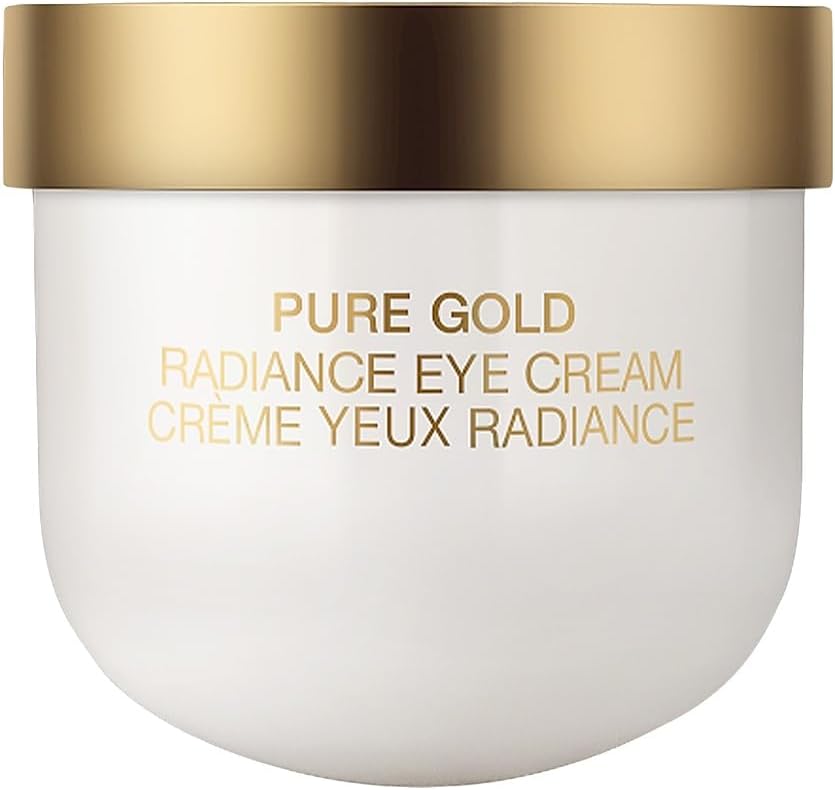
Best for: under-eyes that look puffy and dull, especially with dryness.
- Brand positions it to reduce the appearance of puffiness.
- Rich texture supports a more cushioned look.
- Best at night, or in tiny amounts in the morning.
Dr. Barbara Sturm EXOSO-METIC Eye Serum

Best for: multi-signal tired eyes where puffiness is only one part.
- Brand positions a peptide complex to reduce puffiness and dark circles.
- Serum texture layers well under sunscreen and concealer.
- Best for consistent use, not emergency depuffing.
Noble Panacea Active Daily Dose Eye

Best for: people who keep using too much product and then look puffier.
- Pre-measured dose supports consistency.
- Good for careful placement and controlled layering.
- Pairs well with a gentle cooling step.
Prefer browsing first? Visit our hub: Luxury Eye Treatments
Simple routines that reduce the “puffy look” over time
AM routine (3 minutes)
- Cool compress or chilled spoon: 30 to 60 seconds.
- Light outward strokes along the orbital bone: 10 to 15 seconds.
- Apply a thin layer of a serum or light cream.
- Wait two minutes, then sunscreen and concealer.
PM routine (2 minutes)
- Cleanse gently. No aggressive rubbing near the eyes.
- Apply a small amount of a richer cream if dryness is present.
- Keep placement slightly lower than you think. Let it spread naturally.
Related: Eye serum vs eye cream
Common mistakes that keep puffiness stuck
- Using too much product: it migrates and irritates. Then swelling looks worse.
- Applying too close to lashes: watering and rubbing often follow.
- Chasing “stronger” actives: irritation puff is real and it’s common.
- Skipping consistency: the under-eye rewards gentle repetition.
- Expecting topical skincare to change anatomy: structure-driven bags need realistic expectations.
If your makeup is part of the struggle, read: Eye cream that doesn’t pill under makeup
FAQ
What is the best eye cream for puffiness in the morning?
Go lighter. Pair cooling with a thin layer and give it two minutes to set before makeup.
Why do my under-eyes look puffier after eye cream?
Most often it’s over-application, migration into the lash line, or irritation. Reduce amount and adjust placement.
Is caffeine eye cream actually effective?
It can help the look temporarily for some people. Still, delivery and your puff type matter.
Should I use eye serum or eye cream for puffiness?
If heaviness triggers swelling, start with serum. If dryness dominates, use a cream sparingly.
Can eye cream remove eye bags permanently?
Skincare can improve surface look and comfort. It cannot reliably change anatomy-driven bags.
How long should I test an eye product for puffiness?
Give it two weeks for routine fit. Also track daily triggers like salt and rubbing.
Recap and a soft next step
The “best eye cream for puffiness” is the one that matches your puff type. Start with cooling and a smaller amount. Then pick a texture you will actually use daily.
If you want the easiest next step, browse our curated hub and compare textures side by side. That’s usually where the right choice becomes clear.
Next reads