Guide Under-makeup wear Cream-first Luxury
I think about under-eye makeup like a materials test. A good base behaves. A bad base rolls.
Pilling feels tiny. However, it steals confidence fast. That is why this guide stays practical.
Here is the promise. If you want an eye cream that doesn’t pill under makeup, you can get there with two moves. Choose the right texture. Then use it with a low-friction method.
I focus on eye creams and eye emulsions in this article. I keep the steps repeatable. I also keep expectations honest.
If you only read one part, read the 90-second rule. It is not glamorous. Yet it changes everything.
Disclosure
This page contains affiliate links. If you buy through them, Luxe Eye Lab may earn a commission at no extra cost to you. I do not accept paid placements in product picks.
Safety note
This is informational content, not medical advice. If you have persistent swelling, rash, burning, or eye discomfort, stop use and seek professional care. Keep products out of your eyes. Apply on the orbital bone, not the lash line.

The quick answer
Pilling is usually not a “bad product” problem. It is a film problem.
Under makeup, your eye cream becomes a thin layer. If that layer stays slippery, concealer can push it into beads. Then your blending motion finishes the job.
Therefore, the smoothest approach is simple. Use a tiny amount. Give it a set time. Press concealer in.
- Use a rice-grain amount per eye. Not a pea.
- Wait 60 to 90 seconds. Let the film stabilize.
- Press concealer in. Do not swipe.
- Set only where you crease. Keep powder minimal.
Now I’ll show you why this works. Then I’ll give you 11 secrets that make it consistent.
Why eye cream pills under makeup
Pilling is a mechanical event. Two layers meet. They do not bond well. Friction rolls the top layer into tiny beads.
Under the eyes, that risk rises. The skin moves more. The area is smaller. We also use more tools there.
Most importantly, concealer adds pressure. Brushes add shear. Sponges add repeated tapping. If your eye cream film is unstable, it will roll.
Stability does not mean “dry.” It means the surface is set enough to resist rubbing. You can get that with the right texture and timing.
If you want a deeper formulation view of “why films fail,” I link to one research paper in the references section.
Choose your texture in 60 seconds
Eye creams fail under makeup for one main reason. They are too rich for the morning layer you are building.
So I pick texture based on the day you are having. Not based on the fantasy of a perfect routine.
If you wear concealer daily
Choose a lightweight cream or emulsion. You want hydration without a heavy slip layer.
If you feel dry by midday
Keep mornings light. Move richer creams to night. This protects makeup wear. It also supports comfort later.
If you crease easily
Choose a cream that sets down. Then use less than you think you need. Creasing often comes from excess cushion.
If you are sensitive or watery-eyed
Keep application farther from the lash line. Avoid over-massaging. The more your eyes water, the more you rub. Then pilling becomes inevitable.
Next comes the core of this article. These are the 11 secrets I use to prevent rolling.
11 Smooth Secrets
Each secret is small. However, small changes stack. That is how you get a base that stays calm.
Secret 1: Measure your dose like makeup, not skincare
Under makeup, less is more. A pea per eye is usually too much. Instead, use a rice-grain amount per eye.
Then warm it between two ring fingers. This spreads the film thinner. Thin films pill less.
If you need more comfort, add it at night. Do not stack heaviness in the morning.
Secret 2: Place it on the orbital bone, not the lash line
Migration is the enemy of makeup wear. When cream creeps upward, eyes water. Then you wipe. Then your base breaks.
So keep placement on the orbital bone. Let body heat move product slightly. You do not need to chase the lash line.
Secret 3: Use a “tap and stop” application
Rubbing creates friction. Friction creates rolling.
Therefore, apply with small taps. Do two passes at most. Then stop.
If you keep tapping for a full minute, you are overworking the film. Overworked films get patchy. Patchy films pill.
Secret 4: The 90-second rule beats expensive formulas
Set time is not optional. Even fast textures need a minute.
Apply your eye cream. Wait 60 to 90 seconds. Then apply concealer.
If you still pill, wait longer. Or use less. Change one variable at a time.
Secret 5: Match the finish to your concealer
Concealers have personalities. Eye creams do too. When they disagree, you get rolling.
- Matte concealer: needs a drier, thinner eye-cream layer.
- Dewy concealer: tolerates more cushion, but still needs set time.
- Long-wear concealer: prefers minimal slip underneath.
If your concealer is long-wear, treat eye cream like primer. Primer is always a thin layer.
Secret 6: Avoid stacking “primer-like” steps under the eye
Many products behave like primer. Eye cream can. Sunscreen can. Color corrector can.
If you stack primer-like layers, you increase rolling risk. So choose one main smoothing layer. Then keep everything else light.
This is why morning routines should be shorter than night routines.
Secret 7: Use a damp sponge to press concealer, not drag it
Dragging is the fastest way to pill. Pressing is the safest.
Dot concealer first. Then press with a damp sponge. Keep the motion vertical.
If you need to blend edges, do it with the tiniest taps. Do not swipe back and forth.
Secret 8: Set only the crease zone
Powder is useful. Yet powder can also make dryness look louder.
Therefore, set only where you crease. Use a small brush. Use very little powder.
If you powder the full under-eye, you may trigger “reverse pilling.” That is when product grabs onto powder and clumps.
Secret 9: Stop touching the area once it looks good
Touch-ups feel harmless. However, they add friction. They also add layers.
Instead, do this. If something looks off, press it once with a clean sponge. Then walk away.
Repeated correction is what turns a good base into beads.
Secret 10: Make night the place for richness
Rich creams can be beautiful. They can also be a makeup problem.
So I use a simple split. Morning is for thin films. Night is for comfort.
This is also emotionally easier. Your morning routine stays fast. Your night routine feels like care.
Secret 11: Run the “one-change test” when you troubleshoot
When pilling happens, people change everything. Then they learn nothing.
So change one thing at a time. Start with the easiest variable. It is usually dose.
- Cut the amount in half.
- Wait 30 seconds longer.
- Press concealer instead of swiping.
- Set only the crease zone.
If you fix it with method, you keep it fixed.
Pilling risk comparison table
This table ties choices to real mornings. It is not about perfection. It is about predictability.
| Scenario | Lower pilling risk choice | Higher pilling risk choice | Most reliable fix |
|---|---|---|---|
| Concealer every day | Light cream or eye emulsion | Thick, buttery morning layer | Rice-grain dose + 90-second wait |
| Dry by midday | Light AM layer + richer PM layer | Rich AM + rich PM stacking | Move richness to night |
| Creasing quickly | Thin film + targeted setting | Over-applying cream and concealer | Set only the crease zone |
| Pilling during blending | Press with damp sponge | Swipe with brush | Press, then stop early |
| Watery eyes | Orbital bone placement | Close-to-lash application | Keep product farther down |
Luxury picks that match the title
These are eye creams and an eye emulsion that I can map to under-makeup wear. Each pick supports a smoother base when you use the 11 secrets above.
How I chose these: I prioritized textures that can be dosed thin. I also looked for clear ingredient disclosure and practical application guidance.
Emulsion Invisible-patch feel
Valmont Hydra3 Eye Moisturizing Eye Contour Emulsion

Best for: daily concealer wear and fast mornings. This texture is fine and tends to behave well when you stop early.
- Good when you want hydration without a heavy slip layer.
- Works well with the 90-second rule.
- Apply with small taps, then stop early.
Affiliate link via site redirect. Price may change.
Cream Rich emulsion that can still set
DECORTÉ AQ Absolute Treatment Tightening Eye Cream

Best for: a plush feel with controlled application. In the morning, it behaves best as a micro-layer with full set time.
- Use a micro-layer in the morning, especially on concealer days.
- More forgiving when you give it set time.
- Great as a night anchor if you run dry.
Affiliate link via site redirect. Price may change.
Cream Cushiony, tap-friendly texture
Zelens Triple Action Eye Cream
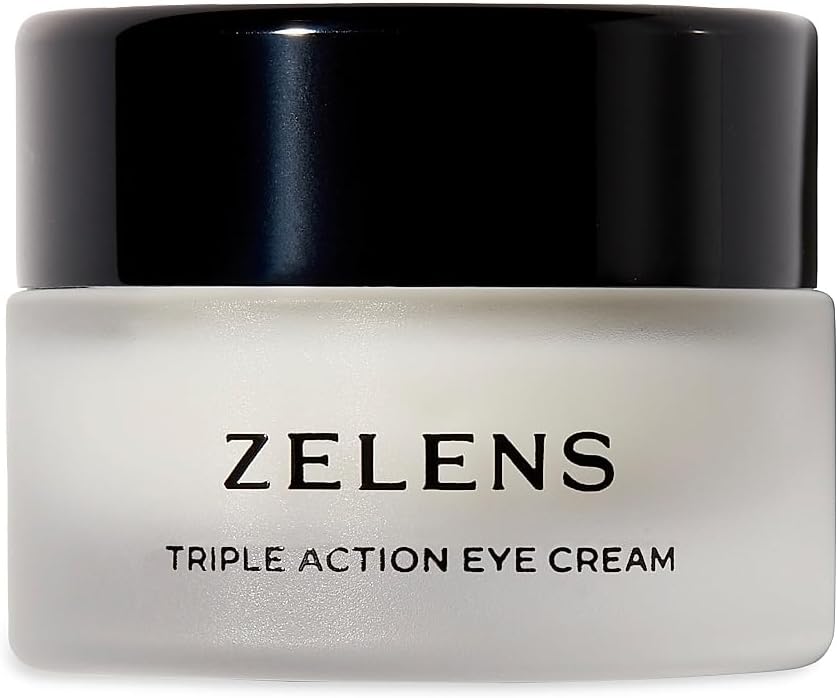
Best for: people who want cushion but still need a thin morning film. This one rewards the tap-and-stop method.
- Pairs well with a tiny dose and early stopping.
- Keep it away from the lash line to reduce watering.
- Better results come from consistency, not layering more.
Affiliate link via site redirect. Price may change.
Cream Smooth optics, press-friendly wear
Chantecaille Nano Gold Energizing Eye Cream

Best for: refined finish days when you want your under-eye to look calm. This is a strong choice for the press technique and early stopping.
- Works best with a tiny amount and a set time.
- Press concealer over it instead of swiping.
- Set only where you crease to keep it soft-looking.
Affiliate link. Price may change.
Cream Rich comfort, best as PM anchor
La Prairie Pure Gold Radiance Eye Cream (0.68 oz)
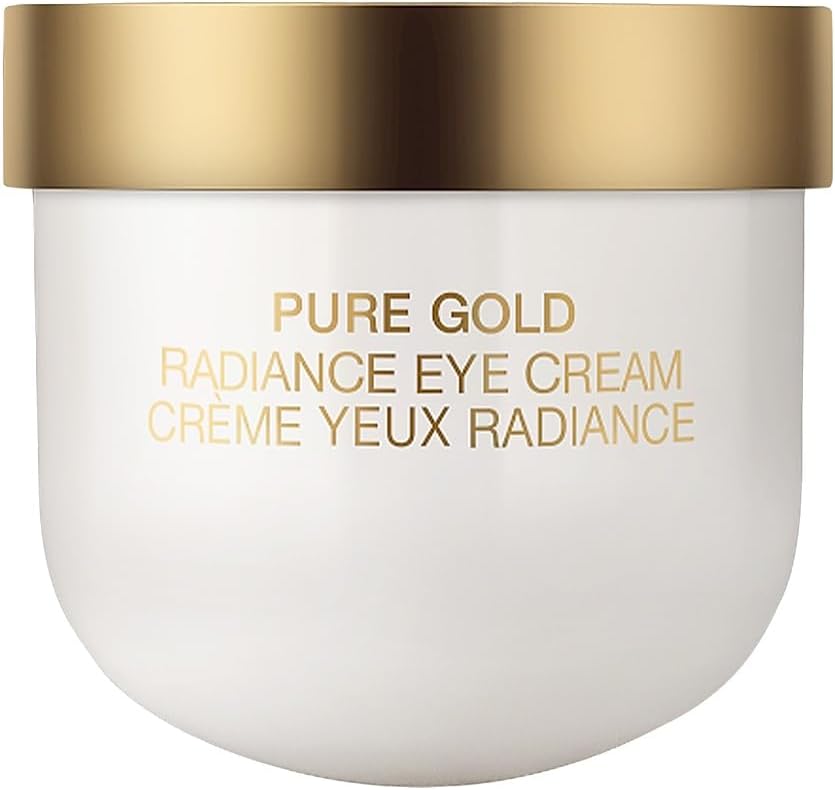
Best for: dryness-driven texture when you want a comfort ritual. This is the pick I prefer as a night anchor. In the morning, use a micro-dose if you wear concealer.
- Use at night for plush comfort without makeup pressure.
- If you use it in the morning, wait longer than 90 seconds.
- Press-and-roll motions tend to behave better than rubbing.
Affiliate link. Price may change.
The most reliable strategy is boring. Pick one morning base. Then commit to dose and timing.
Two routines that stay smooth
These routines are built for real mornings. They protect makeup wear. They also keep your eye area comfortable.
Morning routine (2 to 3 minutes)
- Cleanse gently.
- Apply a rice-grain amount of eye cream per eye.
- Tap and stop.
- Wait 60 to 90 seconds.
- Press concealer in with a damp sponge.
- Set only the crease zone.
If you want the smoothest look, stop early. Over-blending is where pilling begins.
Night routine (2 to 4 minutes)
- Remove makeup fully.
- Apply eye cream on the orbital bone.
- Press gently.
- Leave it alone.
Night is where richer textures shine. Therefore, it is also where you can be more generous. Morning is where you keep things thin.
Troubleshooting checklist
If your base still pills, do not panic. It is usually one of these causes.
1) You used too much
Cut your eye cream dose in half. Then test again the next day.
2) You layered too fast
Add 30 seconds. Timing is a lever you can control.
3) You swiped concealer
Switch to pressing. Use a damp sponge. Stop once it looks even.
4) You set too much powder
Powder only the crease zone. Also, use a smaller brush.
5) Your eye cream migrated upward
Apply lower on the orbital bone. Avoid placing product close to the lash line.
The goal is not “perfect skin.” The goal is a calm film that stays intact.
Ingredient evidence in plain terms
Cosmetic evidence is rarely absolute. However, some mechanisms are consistent. So I use them to set expectations.
Glycerin
What it helps: hydration support and a smoother-looking surface.
Limits: it does not “erase” lines, but it can soften dehydration texture.
Makeup note: heavy humectant layering can stay tacky, which increases rolling under friction.
Research: Moisturizers and skin barrier review (PubMed)
Hyaluronic acid (sodium hyaluronate)
What it helps: water-binding, plumper-looking skin, and softer dryness lines.
Limits: benefits depend on formula, dose, and consistency.
Makeup note: too many hydrating layers can stay sticky, so use one thin film.
Research: Topical hyaluronic acid RCT for dry skin (PubMed)
Peptides
What it helps: longer-term texture support in some cosmetic studies.
Limits: peptide names, delivery systems, and concentrations vary widely.
Makeup note: judge peptides by texture behavior, not hype.
Research: Palmitoyl pentapeptide study (PubMed)
Silicones (dimethicone and related)
What it helps: slip control and reduced drag, which can support smoother makeup glide.
Limits: silicone-heavy stacking can still pill under repeated friction.
Makeup note: fewer layers usually means fewer roll-ups.
Research: Barrier creams and protection review (PMC)
Ingredient notes help. Yet routine fit controls outcomes. Therefore, I prioritize texture and method first.
Research references
I use primary research when possible. I also use reviews when they explain real-world mechanisms clearly.
FAQs
What is the fastest fix for under-eye pilling?
Use less eye cream. Then wait 60 to 90 seconds. Finally, press concealer in instead of swiping.
Can an eye cream be too rich for concealer?
Yes. Richness adds slip. Slip makes films easier to roll. Move richer creams to night for smoother makeup wear.
Why does my concealer pill even when my eye cream feels absorbed?
The surface can feel absorbed while the film is still unstable. Also, blending motions can shear the film. Pressing and set time usually fix it.
Should I apply eye cream before or after moisturizer?
Usually before face moisturizer. Keep the eye layer thin. Then let it set. This reduces mixing and rolling.
Do I need powder under the eyes to prevent pilling?
Not always. Powder helps stability for creasing. However, powder does not fix over-application. Use it only where you crease.
How close should I apply eye cream?
Stay on the orbital bone. Avoid the lash line. This reduces migration, watering, and rubbing.
Is pilling a sign the eye cream is bad quality?
Not necessarily. Pilling often signals mismatch, too much product, or too much friction. Small routine changes can solve it.